In our modern, fast-paced lives, stress has become an almost ubiquitous presence, infiltrating our daily routines and affecting our overall well-being. While many of us are aware of the mental and emotional toll that stress can take, its physical manifestations—particularly on our skin and hair—are often overlooked. Understanding the intricate connection between stress and the health of our skin and hair is crucial for anyone seeking to maintain a radiant appearance and robust hair.When we experience stress, our bodies react by releasing a hormone known as cortisol. This hormone plays a significant role in various bodily functions, but when produced in excess due to chronic stress, it can lead to a cascade of negative effects on our skin and hair.
For instance, elevated cortisol levels can trigger an increase in oil production in the skin, leading to clogged pores and subsequent breakouts. Additionally, stress can exacerbate existing skin conditions such as eczema or psoriasis, making it imperative to address both the psychological and physical aspects of stress management.Moreover, the impact of stress extends beyond just skin health; it also significantly affects hair vitality. Stress can disrupt the natural hair growth cycle, leading to conditions like telogen effluvium, where hair falls out more rapidly than usual. This disruption not only results in thinning hair but can also cause premature greying and a lackluster appearance.
Therefore, recognising the signs of stress-related hair issues is essential for anyone looking to achieve healthy locks.In summary, the relationship between stress and skin/hair health is complex yet critical. By acknowledging how stress influences our appearance, we can take proactive steps towards managing it effectively. This understanding sets the stage for exploring practical strategies that can help mitigate these effects, ultimately leading to healthier skin and more vibrant hair.
The Science Behind Stress: How Cortisol Affects Your Appearance
Understanding the biological mechanisms behind stress is essential for anyone looking to improve their skin and hair health. At the forefront of this discussion is cortisol , often referred to as the "stress hormone." When we encounter stress, whether it be from work, personal relationships, or environmental factors, our body responds by releasing cortisol into the bloodstream.This hormone plays a crucial role in various bodily functions, but its impact on our appearance can be particularly concerning.One of the primary ways cortisol affects our skin is through its influence on oil production. Elevated cortisol levels can lead to an increase in sebum production, which is the natural oil produced by our skin. While some oil is necessary for maintaining skin hydration and barrier function, excessive sebum can clog pores and result in breakouts. This is especially problematic for individuals who are already prone to acne or oily skin.
Furthermore, high cortisol levels can exacerbate existing skin conditions such as eczema and psoriasis, leading to increased inflammation and discomfort.In addition to its effects on oil production, cortisol can also impair the skin's ability to heal. Chronic stress may slow down the regeneration of skin cells, making it more difficult for the skin to recover from blemishes or irritations. This delayed healing process can leave individuals feeling frustrated with their skin's appearance, creating a vicious cycle of stress and skin issues.The impact of cortisol extends beyond just our skin; it also significantly affects our hair health. Stress-induced cortisol can disrupt the natural hair growth cycle, leading to conditions such as telogen effluvium , where hair follicles prematurely enter the shedding phase.
This can result in noticeable hair thinning or loss, which can be distressing for many individuals. Additionally, high cortisol levels may weaken hair strands, making them more susceptible to breakage and damage.To combat these effects, it is vital to implement effective stress management techniques that can help regulate cortisol levels. Practices such as regular exercise, mindfulness meditation, and adequate sleep not only promote overall well-being but also play a significant role in maintaining healthy skin and hair.In summary, understanding how cortisol affects our appearance underscores the importance of managing stress effectively. By taking proactive steps to reduce stress levels, we can protect our skin and hair from the detrimental effects of this powerful hormone.
Common Skin Issues Linked to Stress
Stress is not just a mental burden; it can manifest physically, particularly through various skin conditions.Understanding the specific skin issues linked to stress can empower individuals to take proactive steps in managing their skin health.
Acne and Stress
One of the most common skin problems exacerbated by stress is acne. When faced with stressful situations, the body releases cortisol, which can lead to increased oil production in the skin. This excess oil can clog pores, resulting in breakouts. Furthermore, stress can trigger inflammatory responses in the body, worsening existing acne and making it more difficult to treat.Eczema: A Stress-Induced Condition
Eczema
, or atopic dermatitis, is another skin condition that can flare up due to stress.
Individuals with eczema often experience heightened sensitivity to stress, which can lead to increased itching and inflammation. The emotional toll of stress can create a vicious cycle; as eczema worsens, it can lead to more stress and anxiety, further aggravating the condition. Managing stress through relaxation techniques and proper skincare routines is essential for those suffering from eczema.
Psoriasis and Its Connection to Stress
Psoriasis
, a chronic autoimmune condition characterized by red, scaly patches on the skin, is also linked to stress. Stress can trigger flare-ups or exacerbate existing symptoms by influencing the immune system's response.
The relationship between psoriasis and stress highlights the importance of holistic approaches to treatment that address both physical and emotional well-being.
Identifying Stress-Related Skin Issues
Recognising these stress-related skin issues is crucial for effective management. If you notice an increase in breakouts, eczema flare-ups, or psoriasis symptoms during stressful periods, it may be time to reassess your stress management strategies. Incorporating relaxation techniques such as mindfulness, yoga, or even professional treatments available in Cosmetology London can significantly improve your skin's health.In conclusion, understanding the connection between stress and specific skin conditions like acne, eczema, and psoriasis is vital for anyone looking to maintain healthy skin. By identifying these issues early and implementing effective stress management techniques, you can take control of your skin health and enhance your overall well-being.How Stress Impacts Hair Health
Stress is not just a mental burden; it can have profound effects on our physical health, particularly when it comes to our hair.Many individuals may not realise that the connection between stress and hair health is significant, leading to issues such as stress-related hair loss and thinning hair. Understanding how stress impacts our hair can empower us to take proactive steps in managing our stress levels.When we experience stress, our bodies react by releasing a hormone called cortisol. Elevated cortisol levels can disrupt the natural balance of hormones in the body, which in turn affects the hair growth cycle. Hair goes through three distinct phases: anagen (growth), catagen (transition), and telogen (resting).
Under normal circumstances, about 85-90% of our hair is in the anagen phase, actively growing. However, when stress levels rise, a larger proportion of hair follicles may prematurely enter the telogen phase, leading to increased shedding and noticeable thinning.Moreover, this disruption can result in a condition known as telogen effluvium , where significant stress triggers a sudden increase in hair loss. This condition can manifest several months after a stressful event, making it difficult to connect the dots between stress and hair loss. Individuals may find clumps of hair on their brushes or in the shower drain, which can be alarming and further exacerbate feelings of anxiety.In addition to telogen effluvium, chronic stress can also lead to other forms of hair loss, such as alopecia areata , an autoimmune condition where the body attacks its own hair follicles.
This condition can be triggered by severe stress and results in patchy bald spots on the scalp or other areas of the body.To combat these effects, it is essential to adopt effective stress management techniques. Regular exercise, mindfulness practices like meditation or yoga, and maintaining a balanced diet rich in vitamins and minerals can help lower cortisol levels and promote healthier hair growth. Additionally, consulting with a professional stylist or trichologist in London can provide tailored advice on maintaining hair health during stressful times.Ultimately, recognising the impact of stress on our hair health is crucial. By prioritising stress management and seeking professional guidance when needed, we can mitigate the adverse effects of stress on our hair and promote a fuller, healthier mane.
Effective Stress Management Techniques for Healthy Skin and Hair
Managing stress effectively is essential for maintaining not only your mental well-being but also the health of your skin and hair.Here are some actionable strategies that can help you combat stress and enhance your overall appearance.
Incorporate Regular Exercise
Engaging in regular physical activity is one of the most effective ways to alleviate stress. Exercise stimulates the production of endorphins, which are natural mood lifters. Additionally, it helps regulate cortisol levels, the hormone associated with stress. Consider the following types of exercise:- Aerobic Activities: Activities such as running, cycling, or swimming can significantly boost your mood and reduce anxiety.
- Yoga: This practice combines physical postures with breathing exercises and meditation, making it a holistic approach to stress relief.
- Strength Training: Lifting weights not only builds muscle but also releases endorphins, contributing to a sense of well-being.
The Power of Meditation
Meditation is a powerful tool for managing stress and enhancing mental clarity.By dedicating just a few minutes each day to this practice, you can cultivate a sense of calm and focus. Here are some benefits of meditation:
- Reduces Anxiety: Regular meditation can lower levels of anxiety and promote emotional health.
- Improves Sleep Quality: A calm mind leads to better sleep, which is crucial for skin and hair health.
- Enhances Self-Awareness: Meditation encourages self-reflection, helping you understand your stress triggers better.
Prioritise Self-Care Activities
Self-care is not just a luxury; it’s a necessity for managing stress effectively. Engaging in activities that bring you joy can significantly improve your mental state. Consider incorporating the following self-care practices into your routine:- Reading: Escape into a good book to take your mind off daily stresses.
- Spending Time in Nature: A walk in the park or a hike can rejuvenate your spirit and provide a much-needed break from urban life.
- Creative Outlets: Activities like painting, writing, or crafting can serve as excellent stress relievers.
Remember that consistency is key; making these practices a regular part of your routine will yield the best results over time.
The Role of Nutrition in Combating Stress Effects on Skin and Hair
Nutrition plays a pivotal role in maintaining the health of our skin and hair, especially when it comes to combating the adverse effects of stress. A well-balanced diet not only nourishes the body but also provides essential nutrients that can help mitigate stress-related skin and hair issues.When we experience stress, our bodies require additional support to cope with the physiological changes that occur. This is where nutrition comes into play. Certain foods are particularly beneficial for skin and hair health, helping to reduce inflammation, promote healing, and enhance overall appearance.Key Nutrients for Skin and Hair Health
- Antioxidants: Foods rich in antioxidants, such as berries, nuts, and dark leafy greens, help combat oxidative stress caused by free radicals.
This can lead to healthier skin by reducing signs of aging and promoting a radiant complexion.
- Omega-3 Fatty Acids: Found in fatty fish like salmon, walnuts, and flaxseeds, omega-3s are known for their anti-inflammatory properties. They can help soothe irritated skin and support scalp health, which is crucial for strong hair growth.
- Vitamins: Vitamins A, C, D, and E are essential for skin repair and regeneration. Incorporating foods like carrots (vitamin A), citrus fruits (vitamin C), and avocados (vitamin E) can significantly enhance your skin's resilience against stress.
- Minerals: Zinc and selenium are vital for maintaining healthy hair follicles. Foods such as pumpkin seeds, lentils, and whole grains can provide these essential minerals to support hair growth and strength.
Water helps maintain skin elasticity and keeps hair moisturised from within. Aim to drink at least eight glasses of water a day, and consider incorporating hydrating foods like cucumbers and watermelon into your diet.Moreover, certain herbal teas such as chamomile or green tea can be beneficial due to their calming properties. These teas not only help reduce stress but also provide antioxidants that support skin health.In conclusion, a nutrient-rich diet is fundamental in managing the effects of stress on your skin and hair. By focusing on foods that nourish your body and promote overall well-being, you can effectively combat the negative impacts of stress while enhancing your natural beauty.
Incorporating Mindfulness Practices into Your Routine
Incorporating mindfulness practices into your daily routine can significantly alleviate stress, which in turn benefits both your skin and hair.Mindfulness is the art of being present and fully engaged in the moment, allowing you to cultivate a sense of calm and clarity amidst the chaos of everyday life.
Meditation
is one of the most effective mindfulness techniques for stress relief. By dedicating just a few minutes each day to meditation, you can create a sanctuary of peace within yourself. Here are some simple meditation practices to consider:
- Guided Meditation: Use apps or online resources that offer guided sessions tailored for relaxation and stress reduction. These can help you focus your mind and ease tension.
- Breath Awareness: Sit comfortably, close your eyes, and concentrate on your breathing.
Inhale deeply through your nose, hold for a moment, and exhale slowly through your mouth. This practice can lower cortisol levels, which is beneficial for your skin.
- Body Scan: Lie down comfortably and mentally scan your body from head to toe, noticing any areas of tension. As you breathe out, imagine releasing that tension, promoting relaxation throughout your body.
Yoga
is another powerful tool that combines physical movement with mindfulness. The benefits of yoga extend beyond mere physical fitness; it also enhances mental well-being and promotes healthy skin and hair.
Here are some key advantages:
- Improved Circulation: Yoga poses stimulate blood flow, delivering essential nutrients to your skin and scalp, which can enhance their overall health.
- Stress Reduction: The combination of breath control and physical postures helps lower stress levels, reducing the likelihood of stress-induced skin issues like acne or eczema.
- Enhanced Flexibility: Regular practice increases flexibility not only in your body but also in your mind, allowing you to adapt better to stressful situations.
Professional Treatments in London: Enhancing Your Skin and Hair Health
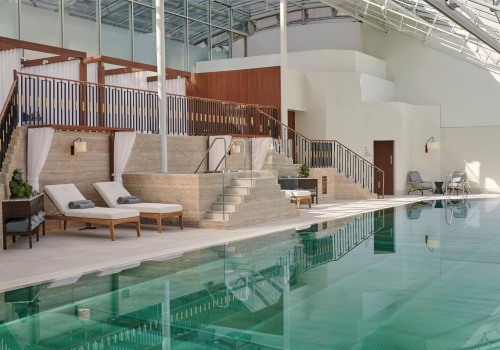
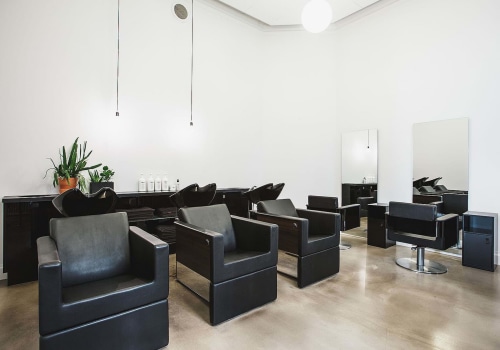
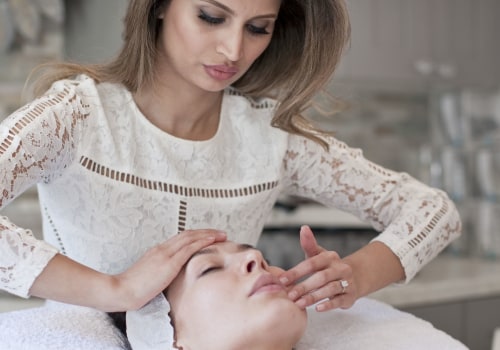
In the bustling city of London, where the pace of life can often feel overwhelming, seeking professional beauty treatments can be a vital step in enhancing your skin and hair health. With a plethora of options available, cosmetology London offers a range of services designed to address various skin and hair concerns while also providing a much-needed respite from daily stressors.Professional skincare treatments in London are tailored to meet individual needs, ensuring that each client receives personalised care.Treatments such as facials, chemical peels, and microdermabrasion can significantly improve skin texture and tone. These procedures not only help in combating the visible effects of stress on the skin but also promote relaxation through soothing techniques and high-quality products.For those struggling with specific skin issues like acne or pigmentation, consulting with a qualified dermatologist or skincare specialist can lead to effective treatment plans. Many clinics in London offer advanced therapies such as laser treatments and LED therapy, which can rejuvenate the skin and restore its natural glow.When it comes to hair health, London boasts numerous salons that provide expert hair treatments tailored to combat stress-related issues such as hair thinning or loss. Services like deep conditioning treatments, scalp massages, and keratin therapies not only nourish the hair but also create a calming experience that helps alleviate stress.
Regular visits to a professional stylist can ensure that your hair remains vibrant and healthy, even during challenging times.Moreover, many beauty establishments in London incorporate holistic approaches into their services. This may include aromatherapy during treatments or offering mindfulness sessions alongside beauty services. Such practices not only enhance the effectiveness of the treatments but also contribute to an overall sense of well-being.In conclusion, while personal care routines are essential for maintaining skin and hair health, complementing them with professional treatments in London can yield remarkable results. By investing in expert services, you not only address specific concerns but also create opportunities for relaxation and stress management.
Remember, taking time for yourself is crucial; your skin and hair will reflect the care you provide.
Conclusion: Embracing a Holistic Approach to Skin and Hair Care
In conclusion, the journey towards achieving radiant skin and healthy hair is intricately linked to our ability to manage stress effectively. Throughout this article, we have explored the profound impact that stress can have on our physical appearance, particularly in relation to skin and hair health. By understanding the connection between stress and the production of cortisol, we can take proactive steps to mitigate its effects.Adopting a holistic approach to skincare and hair care is essential. This means not only focusing on external treatments but also prioritising mental well-being. to skincare and hair care is essential. This means not only focusing on external treatments but also prioritising mental well-being.Incorporating practices such as regular exercise, mindfulness, and a balanced diet rich in nutrients can significantly enhance our overall health and appearance. These strategies not only help in reducing stress but also promote better circulation, which is vital for nourishing the skin and hair.Moreover, it is crucial to establish a consistent skincare routine that caters to your specific needs. This includes cleansing, moisturising, and protecting your skin from environmental stressors. Similarly, choosing the right hair care products that are free from harsh chemicals can prevent damage and promote stronger, healthier hair.As we navigate through the challenges of daily life, it is important to remember that self-care should never be overlooked.
Engaging in activities that bring joy and relaxation can serve as powerful tools in managing stress levels. Whether it’s indulging in a spa day or simply taking time to unwind with a good book, these moments of self-care contribute significantly to our overall well-being.Finally, seeking professional advice from experts in cosmetology London can provide tailored solutions for your skin and hair concerns. Beauty professionals can offer treatments that not only address existing issues but also enhance your natural beauty.In summary, by embracing a holistic approach that combines stress management with effective skincare and hair care practices, we can achieve the healthy glow we desire. Remember, taking care of your mental health is just as important as caring for your skin and hair; both are essential components of a beautiful you.